


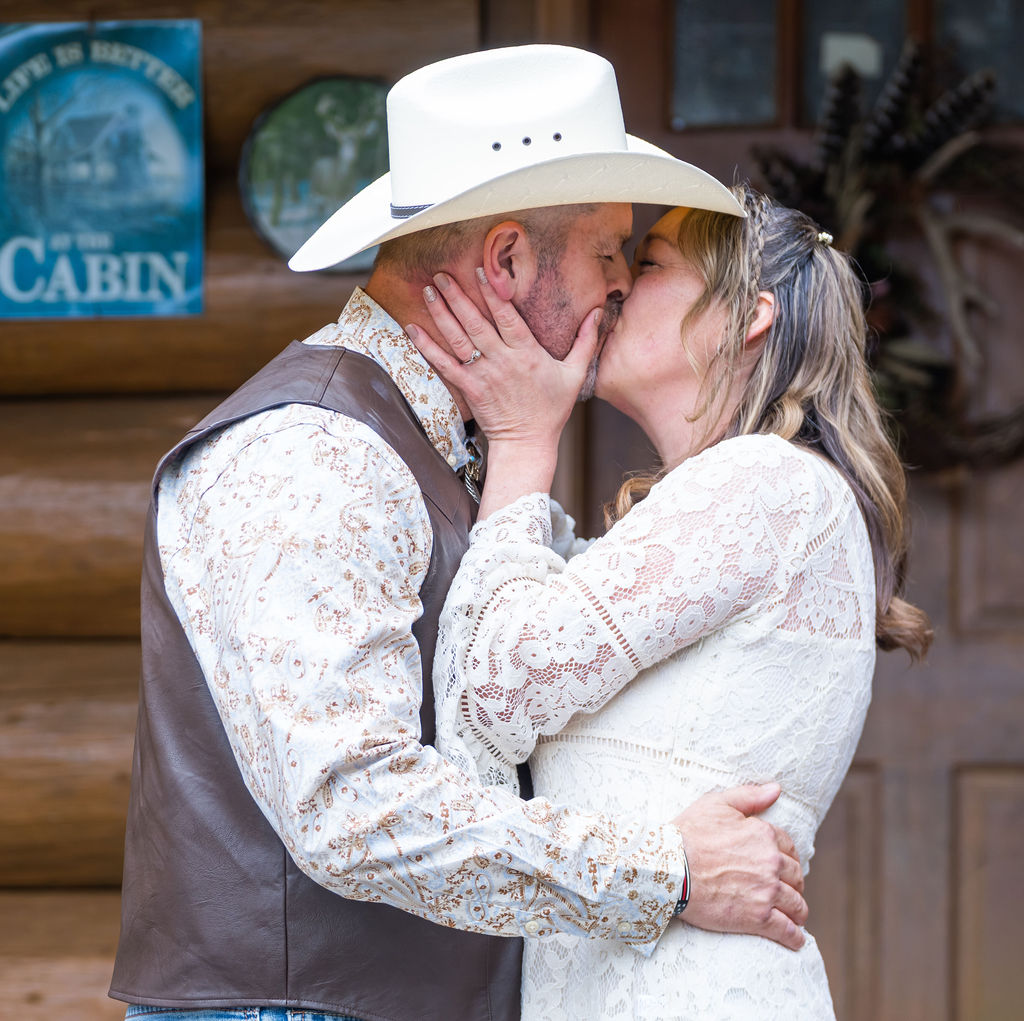
Asking if six hours of wedding coverage is enough is a bit like asking if one slice of pizza is enough. The honest answer is it depends entirely on how big your day is and how hungry you are for photos. For some couples six hours is perfect. For others it ends right as the dance floor heats up. Let us figure out your appetite.
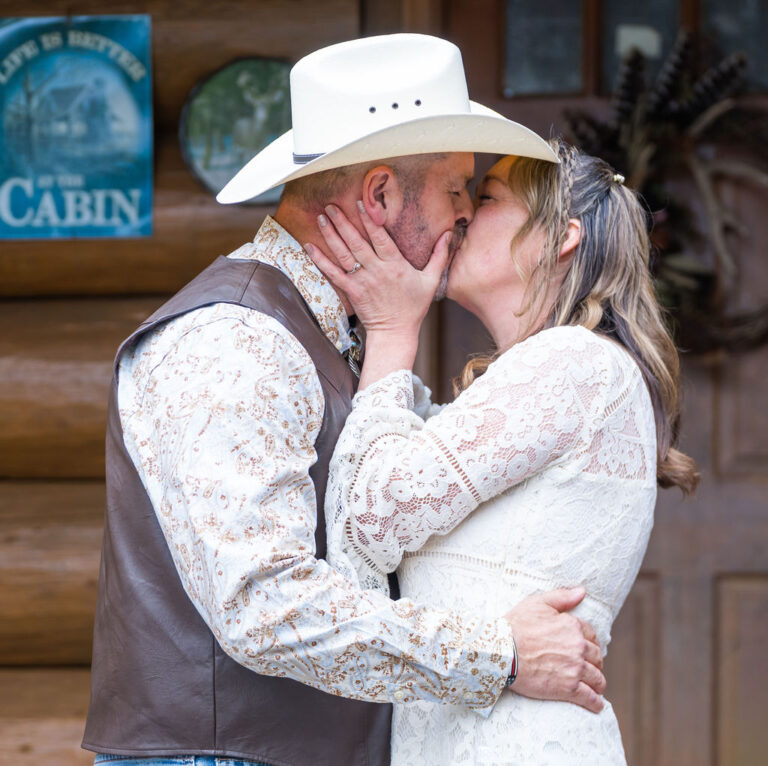
Six hours is one of the most popular wedding photography coverage options, and for good reason. It is enough to capture a focused, beautifully documented day without paying for hours you do not need. But it is not right for every wedding. Here is exactly what six hours covers, when it is plenty, when you should add hours, and a real sample timeline so you can see it for yourself.
What does six hours of wedding photography cover?
Six hours typically covers the heart of your day: the tail end of getting ready, the ceremony, family and wedding party portraits, your couple portraits, and the start of the reception through the major moments like the first dance, toasts, and cake. It is built to capture the story from final prep through the celebration kickoff. What it usually does not include is several hours of early getting ready or the very last hour of open dancing, which often looks the same in photos anyway.
Free planning tool
The Washington Wedding Budget Worksheet
Real Kitsap and South Sound price ranges for every line item, so you can build your actual budget instead of guessing from national averages. We will email it to you so you have it when you need it.
When is six hours of coverage enough?
Six hours is plenty when your day is intimate, streamlined, or held in a single location. If you are having a smaller guest count, a ceremony and reception at the same venue, a first look that consolidates your portraits, and you are happy to wrap photo coverage after the first dance and toasts, six hours fits beautifully. Many Kitsap and Puget Sound weddings, especially elopements and intimate celebrations, are perfectly served by six hours. It is also a smart, budget conscious choice that puts your investment toward the moments that matter most.
When should you add more hours?
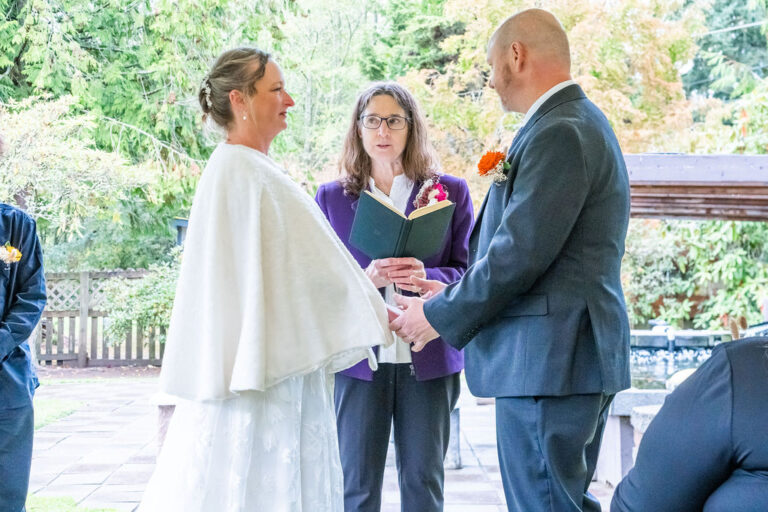
Add hours when your day is bigger or more spread out. You will likely want nine or more hours if you want extensive getting ready coverage for both partners, if your ceremony and reception are at different locations with travel between, if you are skipping a first look so all portraits happen after the ceremony, if you have a large guest list and wedding party, or if you want the full reception including the last dance and send off. A good rule of thumb: the more locations, the larger the party, and the later you want the dance floor documented, the more hours you need. If you are unsure, our guide on how to determine your wedding photography hours walks through the math in detail.
What about creative night portraits?
Here is a factor couples almost always forget when they think about coverage hours: creative portraits. Sometimes called night creatives or sunset creatives, these are the dramatic, artistic shots of just the two of you, often taken after the sun goes down using off camera flash, string lights, or a glowing twilight sky. They are frequently the most jaw dropping images of the entire day, the ones that stop people scrolling and end up enlarged on the wall.
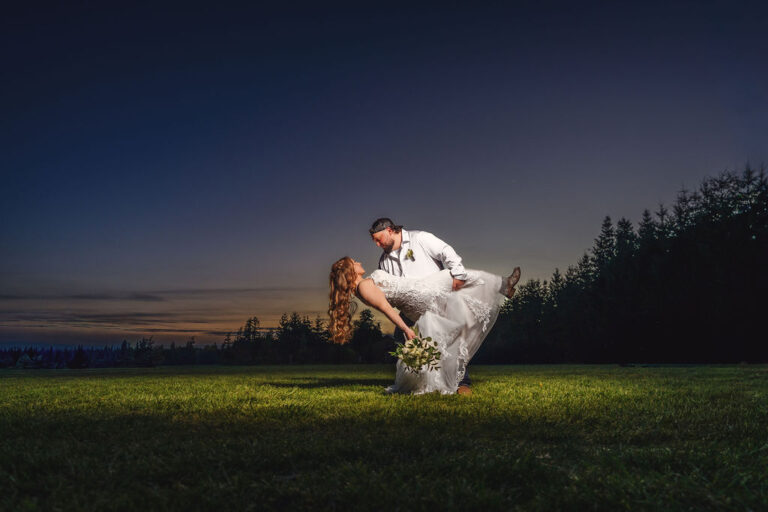
The catch is timing. Creative portraits happen late, usually during the reception once it is dark, which is exactly when a tighter six hour timeline tends to end. If your coverage wraps right after the first dance and toasts, you may miss these entirely. So if those bold, editorial night portraits are on your must have list, that is a real reason to either extend your coverage past dark or deliberately build a short creative window into the timeline. The good news is they do not take long. We can pull you away for ten to fifteen minutes, create something unforgettable, and have you back before anyone misses you on the dance floor.
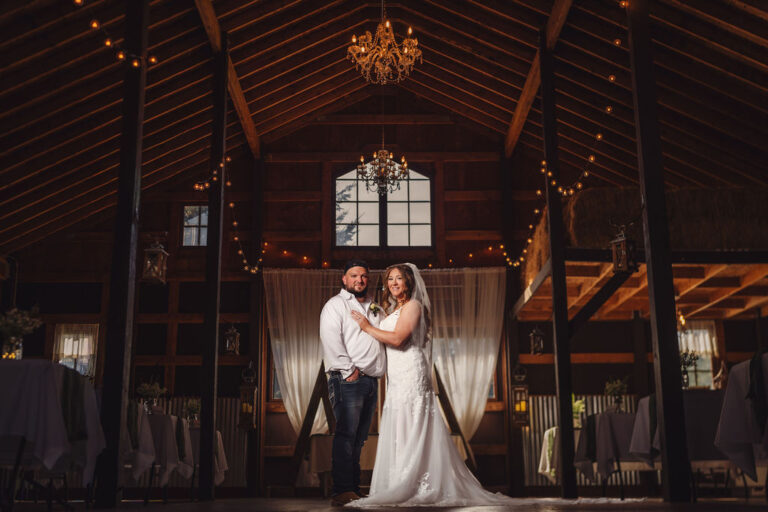
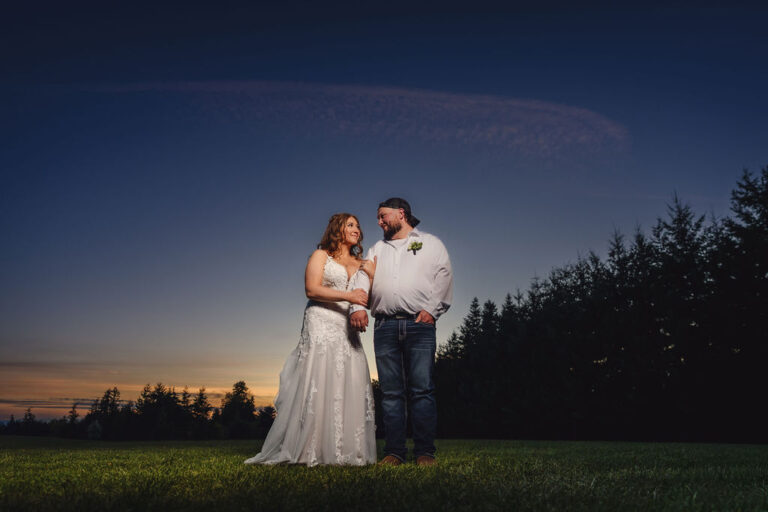
These images from a Mason Jar Gathering Barn wedding show exactly what is possible after dark, a sunset dip in the open prairie and a portrait glowing under the string lights and chandeliers inside the barn. None of it happens by accident. It happens because we planned the time for it. When you map your hours, decide early whether creative portraits matter to you, because that single choice can be the difference between ending at the first dance and staying just long enough to capture the most dramatic frames of your whole wedding.
A sample six hour wedding timeline
Here is what six hours can look like at a single venue with a first look. This is a real, copy able starting point you can adapt with your planner.
3:00 PM, getting ready details and final prep
We arrive to capture the dress, rings, invitation suite, and the last moments of hair and makeup, plus a few candid getting ready frames.
3:45 PM, first look and couple portraits
A private first look, then your couple portraits while the light is lovely. Doing this before the ceremony frees up your cocktail hour later.
4:30 PM, wedding party and family photos
Wedding party portraits followed by family groupings, organized from a shot list so it moves quickly and nobody wanders off.
5:00 PM, ceremony
The main event. Vows, rings, the first kiss, and the recessional, with a few wide frames of your guests and the setting.
5:30 PM, cocktail hour and golden hour
Candid cocktail hour coverage, plus a quick sunset portrait if the light cooperates, because that ten minute window is always worth it.
6:30 PM to 9:00 PM, reception highlights
Grand entrance, first dance, parent dances, toasts, cake, and the start of open dancing. Coverage wraps after the dance floor is alive and the key moments are captured.
How do you decide what is right for your day?
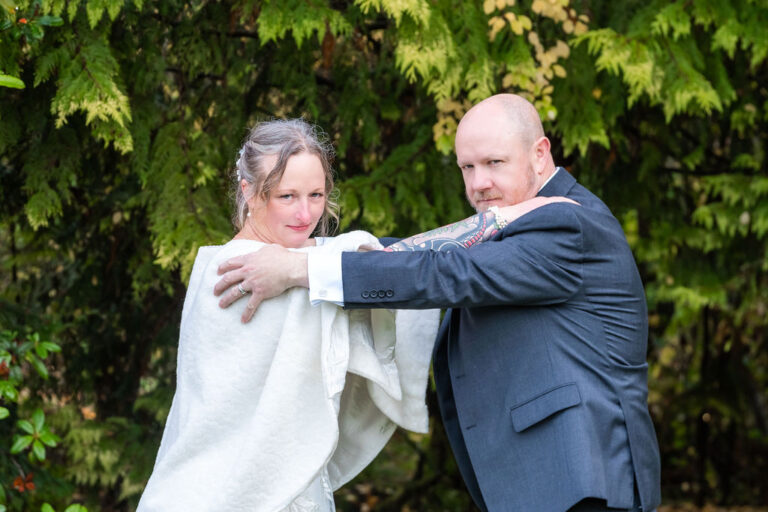
Start by sketching a rough timeline with your planner or venue, and a resource like The Knot wedding day timeline helps too, then look at where the day starts and ends. If everything fits comfortably between final prep and the first dance at one location, six hours is your answer. If you find yourself wanting earlier prep, travel between sites, or the full late night dance floor, step up to nine or eleven. We are always happy to look at your specific timeline and tell you honestly what we recommend, because the goal is coverage that fits your day, not upselling hours you will not use. You can compare full collections on our wedding photography page and see what is included in a typical package.
One honest tip from someone who has packed up gear at a hundred receptions: the last hour of open dancing tends to look a lot like the first hour of open dancing, just sweatier. If budget is tight, you rarely lose much by ending after the first dance and toasts rather than paying for the final set.
Six versus nine versus eleven hours, quick comparison
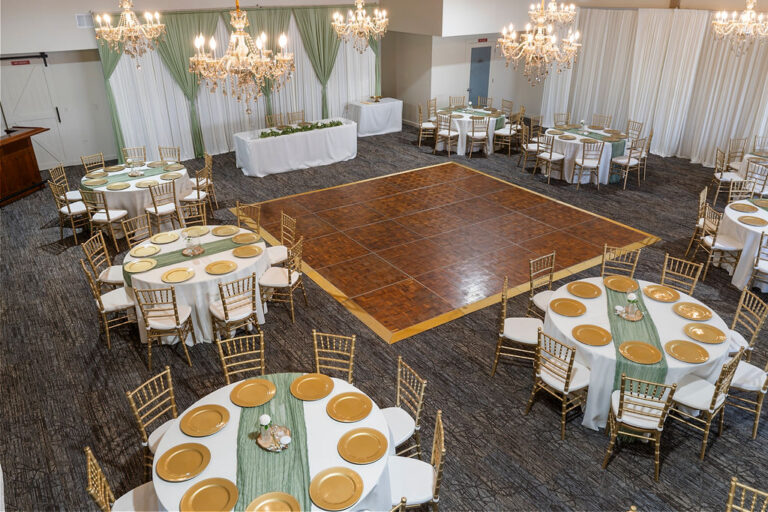
Think of coverage in tiers, which is exactly how I built my collections. Six hours, my Harbor collection, captures the core story at one location with a first look, ending after the first dance and toasts, and it is ideal for intimate and streamlined weddings. Nine hours, my most popular Anchor collection, adds breathing room: fuller getting ready for both partners, travel between a ceremony and reception site, portraits without a first look, and more of the open dance floor. Eleven hours, my Legacy Voyage collection with two photographers, documents the whole day end to end, from early prep to a late night send off, and suits large weddings with multiple locations and a big guest list. Most couples land on nine, intimate couples love six, and grand celebrations reach for eleven.
The biggest factor is almost always the first look. Skip it and your portraits all pile into the post ceremony window, which eats time fast and pushes everything later. Have one and your day flows, your cocktail hour is yours to enjoy, and six hours suddenly covers a lot. If you are torn, that single decision will tell you more about your hours than anything else.
What happens if we run over our coverage time?
Weddings run long sometimes, and that is okay. We build a little flexibility into the day, and if it looks like a key moment will fall just outside your coverage, we will tell you in advance so you can decide whether to add time on the spot or adjust the timeline. Nothing is a surprise, and we never just pack up mid moment without a heads up. Planning a realistic timeline with your venue and planner is the best way to avoid the squeeze in the first place.
Frequently asked questions
Is six hours enough for a wedding with a first look?
Usually yes. A first look consolidates your couple and wedding party portraits before the ceremony, which makes six hours fit comfortably at a single venue with time for the ceremony, dinner, and the key reception moments.
Is six hours enough without a first look?
It can be tight. Without a first look, all portraits happen after the ceremony during what would be cocktail hour, which compresses the timeline. If you are skipping the first look, consider nine hours so nothing feels rushed.
How many hours do most weddings need?
Most full weddings land around nine hours, my most popular Anchor collection. Intimate, single location weddings often do great with six, the Harbor collection, while larger weddings with multiple locations and a full send off reach for eleven hours with two photographers, the Legacy Voyage collection.
Can we add hours later if we are not sure?
Yes. We can start with a collection and add coverage as your timeline firms up. It is easy to adjust before the wedding, so you are never locked in if your plans grow.
Does six hours include getting ready photos?
It includes the final stretch of getting ready, the dress, details, and last touches, rather than several hours of early prep. If extensive getting ready coverage matters to you, that is a sign to add hours. See our guide on whether getting ready photos are worth it.
Should we add a second photographer instead of more hours?
Sometimes, yes. A second photographer covers more angles at once, like both partners getting ready simultaneously or the ceremony from two perspectives, which can be more valuable than extra hours for a busy single location wedding. Adding hours extends the timeline you capture, while a second shooter deepens the coverage within it. We can talk through which makes more sense for your specific day, and for some weddings the answer is a little of both.
Let us plan coverage that fits your day
Six hours is a fantastic fit for many Kitsap and Puget Sound weddings, and a quick look at your timeline will tell us for sure. We will give you an honest recommendation, never an upsell. Explore collections on our wedding photography page, read how to determine your wedding photography hours, and get in touch to plan your day.


Fully guided sessions, a professional editing team behind every image, and a private reveal where you choose finished artwork for your walls. That is the difference between hiring a photographer and booking an experience.
Let’s bring your vision to life! Fill out the form below to ask any questions, share your story, or start planning your session. I’m here, ready when you are.


