


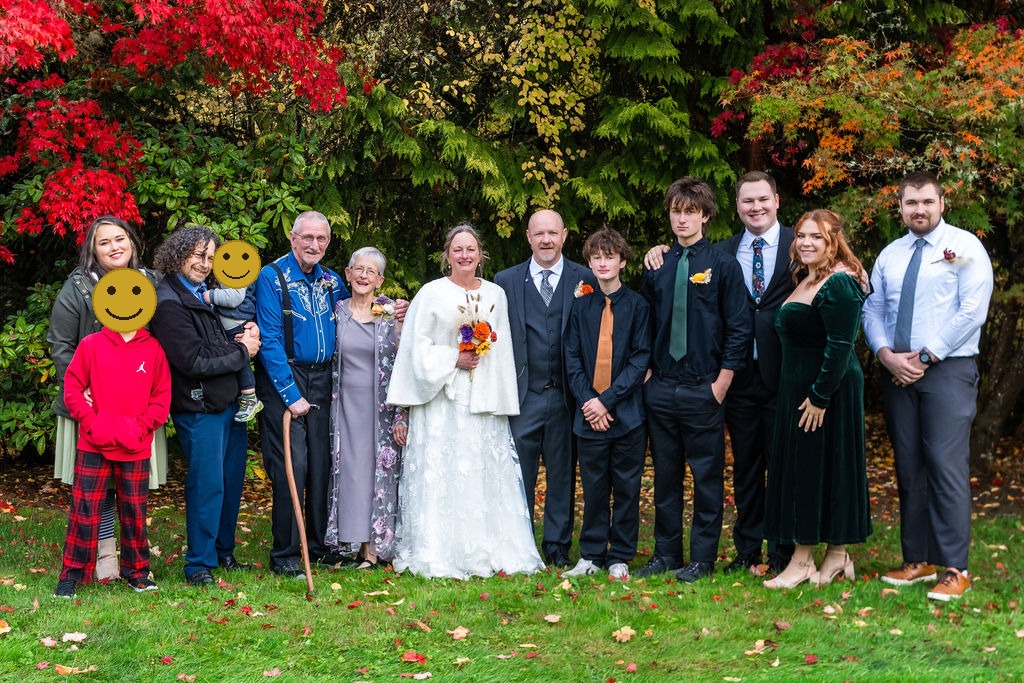
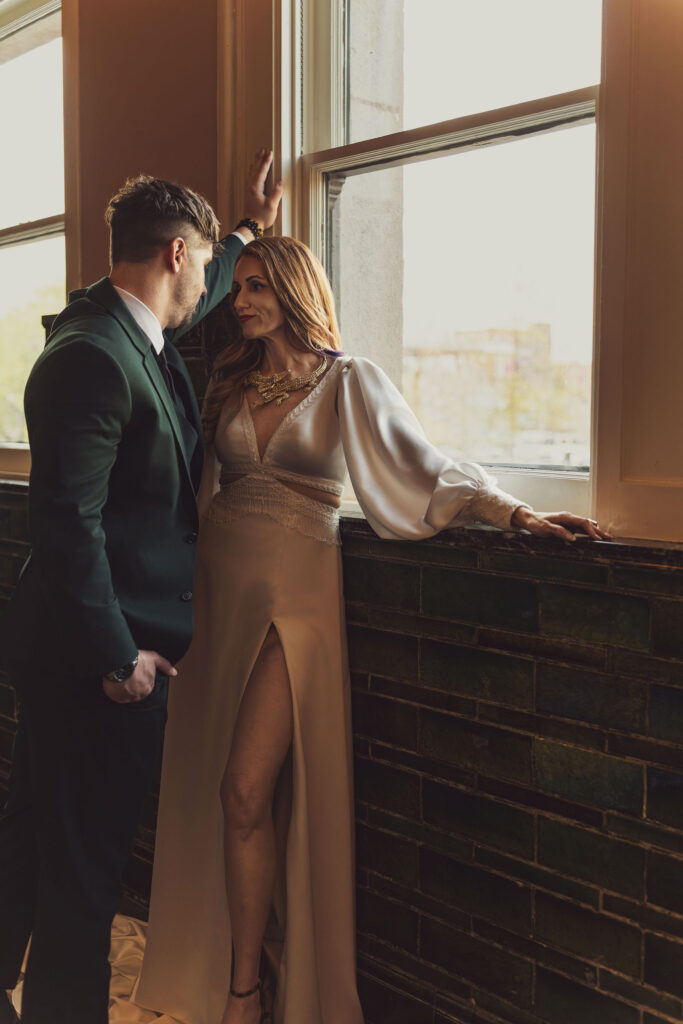
Figuring out your wedding photography hours and coverage is easier than it sounds. Here is the tricky part about hiring a wedding photographer: you have to decide how many hours you need before you have ever planned a wedding day. It is one of the first questions you will be asked, it directly affects your budget, and most couples have no idea where to start.
So let me make this easy. I am Ben with Nautical Moments Photography, I photograph weddings all over Kitsap County and Western Washington, and a big part of what I do is build the timeline with you so nothing important gets missed. You do not need to figure this out alone. Below I will walk you through what actually uses up your hours, share three real sample timelines you can copy, and give you a simple way to land on the right number for your day.
How much wedding photography hours coverage do you need?
Choosing your wedding photography hours coverage starts with your timeline. Add up getting ready, the ceremony, portraits, and the reception moments you want, then work backward. Most full days land around eight to ten hours. We build a sample timeline together so you book the right amount without paying for gaps.
Free planning tool
The Washington Wedding Budget Worksheet
Real Kitsap and South Sound price ranges for every line item, so you can build your actual budget instead of guessing from national averages. We will email it to you so you have it when you need it.
The short answer
Most weddings need 8 to 10 hours of coverage to capture the story from getting ready through the early dance floor. Smaller, more intimate weddings at a single location can work beautifully in 6 hours. Bigger guest counts, multiple locations, or a day that runs from getting ready all the way through your send off usually call for 10 or more hours.
A quick rule of thumb that holds up well here in Western Washington:
- One location, intimate day: around 6 hours
- One location, full story with a first look: 8 to 9 hours
- Multiple locations, larger guest count, or a full day from getting ready through the exit: 10 hours and up
The honest version of this answer, though, depends on a few choices only you can make. Let’s look at what those are.
What actually eats up your hours
When couples feel unsure about coverage, it is almost always because no one has told them where the time goes. Here is the real list.
Getting ready. If you want photos of hair and makeup finishing, the dress hanging in the light, the guys getting their ties straight, and the gift exchange, that is usually the first 1 to 2 hours of your day. If you would rather skip most of it and start closer to the first look, you save real time.
A first look (or not). A first look lets us knock out couple portraits, wedding party, and many family photos before the ceremony. That often makes the whole day flow calmer and can shave time off the back end. Skipping the first look is completely valid and very romantic. Just know that all of those portraits then have to happen after the ceremony, which usually means a longer coverage window.
Family formals. These take more time than people expect, especially with large or blended families. A focused list of 10 to 15 groupings runs about 30 minutes. I help you build that shot list ahead of time so we are not calling out names and waiting on missing uncles.
Creative portraits. This is the block of just the two of you (and your wedding party) artwork, the images that become your album spreads and the piece on your wall. I protect a generous window for it, usually around 90 minutes, because rushed portraits look rushed. More on why that matters below.
Travel between locations. This is the one out of town blogs always get wrong for our area, and remember to add gear transport buffers, not just drive time. More on that next.
Golden hour and your exit. The best light of the day lands near sunset, and a great send off (sparklers, a bubble exit, glowing windows) happens at the very end. Both live at the back of your timeline, so if you want them, your coverage has to stretch to reach them.
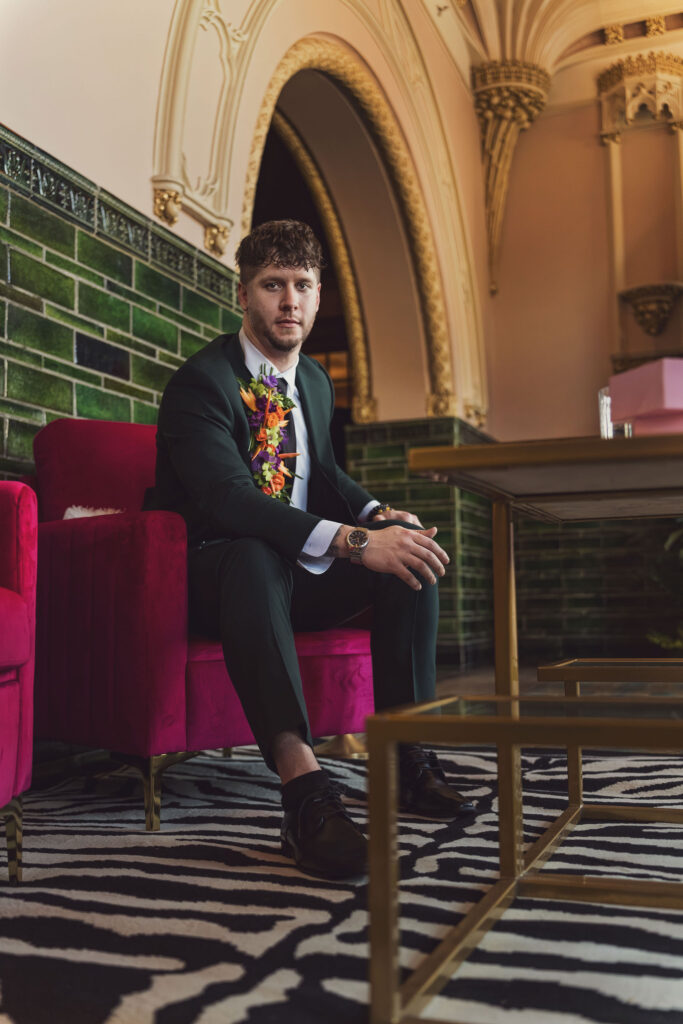
The Kitsap factor most coverage guides ignore
National blogs love to say “add 30 minutes for travel.” Out here, that number can be very wrong, and it is exactly where a local photographer earns their keep.
Ferries and bridges. If your getting ready spot, ceremony, and reception are not all in the same place, your day may include a Bainbridge, Bremerton, or Kingston ferry, or a crawl across the Tacoma Narrows Bridge on a summer Saturday. A missed sailing is not 30 minutes. It can be an hour or more. I plan your timeline around real sailing times and traffic, not a guess.
Scattered venues. It is common around here to get ready in Poulsbo, marry in Gig Harbor, and celebrate somewhere else entirely. Every hop between towns is coverage time you are paying for, so it pays to plan the route deliberately.
The light changes wildly by season. A July wedding has sunset close to 9:00 PM, so golden hour portraits sit very late in the day. A late fall or winter wedding can lose the sun by 4:30 PM, which pulls everything earlier. Your coverage window has to match the actual sunset for your date, and I check it for every wedding.
A rain plan is not optional in the PNW. We build in a little buffer and a covered backup so a passing shower never derails your portraits. Calm leadership on a gray day is half the job.
Why I protect a full 90 minutes for creative portraits
If there is one place I refuse to rush, it is your creative portraits. These are the artful, just married images of the two of you, and your wedding party, that become the album spreads you will page through for decades and the framed piece above your fireplace. You cannot make that kind of artwork in a frantic ten minutes between events.
So I build in a minimum of about 90 minutes for creatives whenever the day allows. That time lets us move through more than one backdrop, work with the best light, let you settle in and actually relax, and capture variety instead of a handful of safe frames. It is the single biggest reason my couples end up with images worthy of your wall rather than just snapshots. When you are deciding how many hours you need, a real creative portrait block is worth protecting. It is where your photography budget turns into art you will live with.
These are the small, behind the scenes choices that make a wedding day feel calm instead of rushed:
Build in gear transport buffers. Every time we change locations I add about 15 minutes on top of the actual drive, just to pack, move, and reset equipment. It sounds minor, but skipping it is how timelines fall apart.
Exit by rows after the ceremony. Dismissing guests row by row (about 30 minutes) gives you a natural receiving line moment and keeps the flow after the ceremony organized instead of chaotic.
Cut the cake early. I like to do the cake cutting right after introductions, before dinner. It gets a key photo handled while energy is high, lets the caterer slice and serve, and means we are not pulling you away later when you would rather be dancing.
Three real sample timelines you can copy
These mirror how my couples actually spend their days. Use them to picture your own.
6 hours: intimate, one location
Great for micro weddings and elopements where everything happens in one spot. This is the shape of my Harbor Collection. With a first look up front, six hours covers the whole story of an intimate day.
- 1:30 PM: Coverage begins, getting ready details and the dress in the light
- 2:00 PM: First look, then creative portraits (about 45 minutes on an intimate day)
- 2:45 PM: Wedding party photos
- 3:15 PM: Family pictures (30 min)
- 3:45 PM: Tuck away, ceremony details photographed
- 4:00 PM: Ceremony (30 min)
- 4:30 PM: Exit by rows or receiving line (30 min), cocktail hour begins
- 5:00 PM: Introductions and cake cutting
- 5:15 PM: Toasts
- 5:45 PM: Dinner
- 6:30 PM: First dances and a few sunset portraits, then the floor opens
- 7:30 PM: Coverage ends
The trade off on six hours: little to no early getting ready coverage, a shorter creative portrait block, and no late night dance floor or send off.
9 hours: the most common full day, one venue, with a first look
This is the sweet spot for the majority of Kitsap weddings at a single venue, and it gives creatives the full 90 minutes they deserve. It is also the shape of my most popular collection, the Anchor.
- 12:30 PM: Coverage begins, both partners getting ready
- 1:15 PM: Details such as the dress, rings, invitation suite, and gifts
- 1:45 PM: First look
- 2:00 PM: Creative portraits for the couple and wedding party (full 90 minute block)
- 3:30 PM: Family pictures (30 min)
- 4:00 PM: Tuck away, ceremony details and guests arriving
- 4:30 PM: Ceremony (30 min)
- 5:00 PM: Exit by rows or receiving line (30 min), cocktail hour
- 5:30 PM: Introductions
- 6:00 PM: Cake cutting
- 6:15 PM: Toasts
- 7:00 PM: Dinner
- 8:00 PM: Slideshow, then a few sunset portraits at golden hour
- 8:30 PM: First dances, then open floor and the bouquet or garter toss
- 9:30 PM: Coverage ends
Everything from the morning calm to the dance floor, with the first look keeping the day relaxed and the creative portrait block fully protected.
11 hours: full day from getting ready through send off, or multiple locations
Best for larger guest counts, separate ceremony and reception sites, or couples who want the whole arc of the day. This is the shape of my Legacy Voyage Collection, about eleven hours with two photographers, and you can extend it with late night coverage when you want a full send off.
- 10:30 AM: Coverage begins, getting ready from the early, quiet moments (location one)
- 11:30 AM: Travel to the second prep location (drive time plus a 15 minute gear buffer)
- 12:00 PM: Second party getting ready, plus details such as the dress, rings, invitation suite, and gifts
- 1:00 PM: First look
- 1:15 PM: Creative portraits for the couple and wedding party (full 90 minute block)
- 2:45 PM: Travel to the ceremony site (built around ferry and bridge timing, plus a gear buffer)
- 3:30 PM: Guests arrive, candids, ceremony details
- 4:30 PM: Ceremony (30 min)
- 5:00 PM: Exit by rows or receiving line (30 min)
- 5:30 PM: Family pictures (30 min)
- 6:00 PM: Travel to reception (plus a gear buffer), cocktail hour
- 6:30 PM: Introductions
- 7:00 PM: Cake cutting
- 7:15 PM: Toasts
- 8:00 PM: Dinner, then sunset portraits at golden hour
- 8:45 PM: Slideshow and first dances
- 9:00 PM: Open dance floor and the bouquet or garter toss
- 9:30 PM: Coverage ends add late night coverage to 11:30 PM if you want the send off
With two locations and a big guest list, a second photographer is worth it so we catch both partners getting ready and never miss a moment across the room.
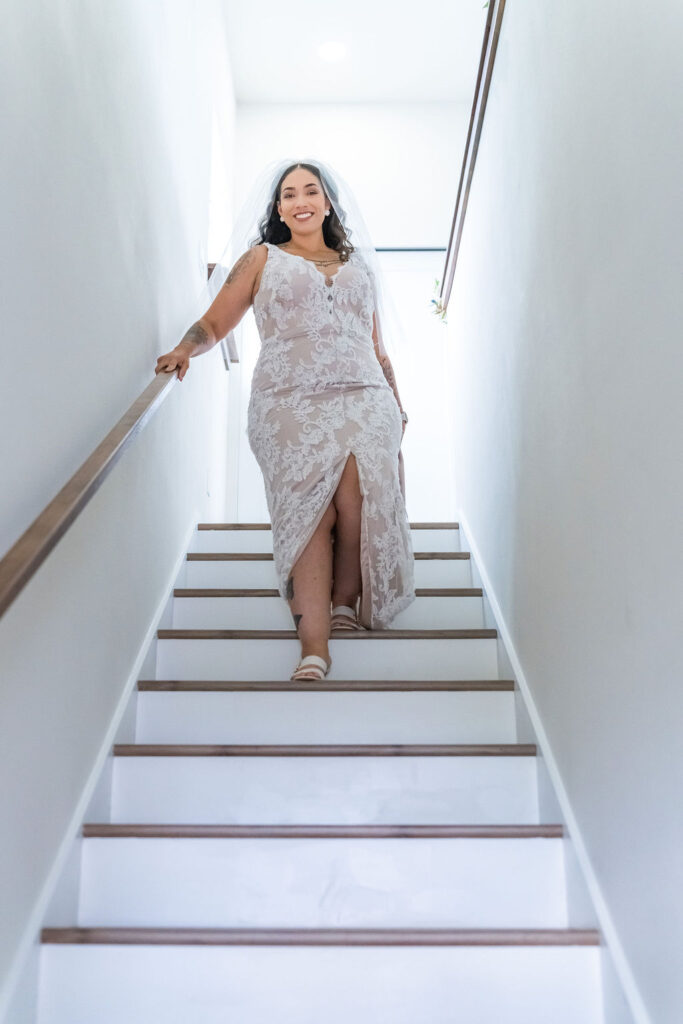
A simple way to decide
If you remember nothing else, decide with these four questions:
- How much of the morning do you want? Want the quiet getting ready story? Add 1 to 2 hours up front.
- One location or several? Multiple sites, especially with a ferry or the Narrows Bridge, mean more travel time plus gear buffers inside your coverage.
- How much do creative portraits matter to you? If you want artwork worthy of your album and your wall, protect that 90 minute block. It is the part you cannot rush.
- Do you want golden hour and a send off? If yes, your window has to reach sunset and beyond, which is later in summer and earlier in winter.
One location and a tight guest list lean toward 6 hours. A full single venue day points to 8 or 9. Multiple locations, 90 or more guests, or a day that runs from getting ready through the exit call for 10 or more, plus a second shooter at 90 or more guests.
How this maps to my wedding collections
I built my collections around these real world day shapes so you are not guessing:
- Harbor Collection: 6 hours, one photographer. Perfect for intimate and micro weddings.
- Anchor Collection (most popular): 9 hours, one photographer, a layflat album, and an engagement session. The right fit for a full single venue wedding day.
- Legacy Voyage Collection: 11 hours, two photographers, a wall portrait, a luxury album, and an engagement session. Built for bigger days and multiple locations, with late night coverage available as an add on.
And here is the reassurance every couple needs: you do not have to get this perfect right now. Every collection includes a custom timeline build and unlimited planning calls with me, and you can add morning or late night coverage, an extra hour, or a second shooter as your plans come together. Start with the coverage that fits your day, and we will adjust as we plan. As a Navy veteran, running a clear, calm timeline under pressure is what I do best. Your job is to enjoy the day, and mine is to make sure nothing important gets missed.
Frequently asked questions
Is 6 hours of wedding photography enough?
For an intimate, single location wedding, yes. Six hours covers a first look, the ceremony, portraits, and the heart of the reception. It gets tight if you want full getting ready coverage and a late send off, which is when 8 or more hours makes sense.
Do I really need getting ready coverage?
It is one of the most emotional and detail rich parts of the day, but it is optional. Skipping most of it is a smart way to keep coverage shorter if budget is your priority.
Does a first look save time?
Often, yes. Doing portraits before the ceremony can free up your cocktail hour and shorten the back end of the day.
How long do family photos take?
Plan about 30 minutes for a focused list of 10 to 15 groupings. I help you build that list in advance so it moves quickly.
Why do you set aside so much time for portraits?
Your creative portraits are the artwork, the album spreads and the wall piece you will keep for decades. I protect about 90 minutes for them so we are not rushing the most important images of the day. It is the difference between snapshots and art.
How much time should we budget for travel?
It depends entirely on your route. A ferry or the Narrows Bridge can add an hour or more on a busy day. I plan your timeline around the actual sailing and traffic windows.
Do we need a second photographer?
I recommend one for 90 or more guests, or when there are two getting ready locations, so we capture both sides and the full room.
Can we add hours later?
Absolutely. Extra hours and late night coverage can all be added as your plans firm up.
Let’s build your timeline together
The right number of hours is the one that captures your day without making you watch the clock. If you tell me your venue, your guest count, and your must have moments, I will sketch a custom timeline and recommend the coverage that fits, before you ever book.
Tell me about your wedding → and let’s plan a day that feels calm, fun, and fully covered.
Very respectfully,
Ben Collier, Nautical Moments Photography
Want the bigger picture on planning and budget? Read our Cost Guide: Wedding Photographers in Kitsap, Seattle, Tacoma.
Deciding how to spend those hours? See whether to include getting ready photos in your wedding coverage.


Fully guided sessions, a professional editing team behind every image, and a private reveal where you choose finished artwork for your walls. That is the difference between hiring a photographer and booking an experience.
Let’s bring your vision to life! Fill out the form below to ask any questions, share your story, or start planning your session. I’m here, ready when you are.


