


Understanding the Roots of Portrait Photography Fears
Portrait photography is an experience that places individuals under the gaze of the camera’s lens, often provoking a range of emotions from anticipation to anxiety. The roots of these fears are manifold, stemming from personal insecurities, societal standards, and previous experiences in front of the camera. Many people grow up seeing themselves through the eyes of others, whether through family photos, social media, or the mirror, and form beliefs about how they should look or present themselves. When it comes time to be photographed, these beliefs can resurface as self-doubt and apprehension, clouding what could otherwise be a joyful and empowering experience.
Societal influences also play a significant role in shaping these portrait fears. The prevalence of edited images and curated online personas contributes to unrealistic expectations about appearance, leading many to feel that they do not measure up. This environment fosters a sense of vulnerability when faced with the prospect of having one’s image captured permanently. Even those who are typically confident may find themselves feeling exposed, worried that a photograph will reveal something unflattering or personal. By understanding where these fears originate, individuals and photographers alike can begin to address and dismantle them, setting the stage for more authentic and confident portraits.
Camera Shyness: Why We Feel Awkward and Unseen
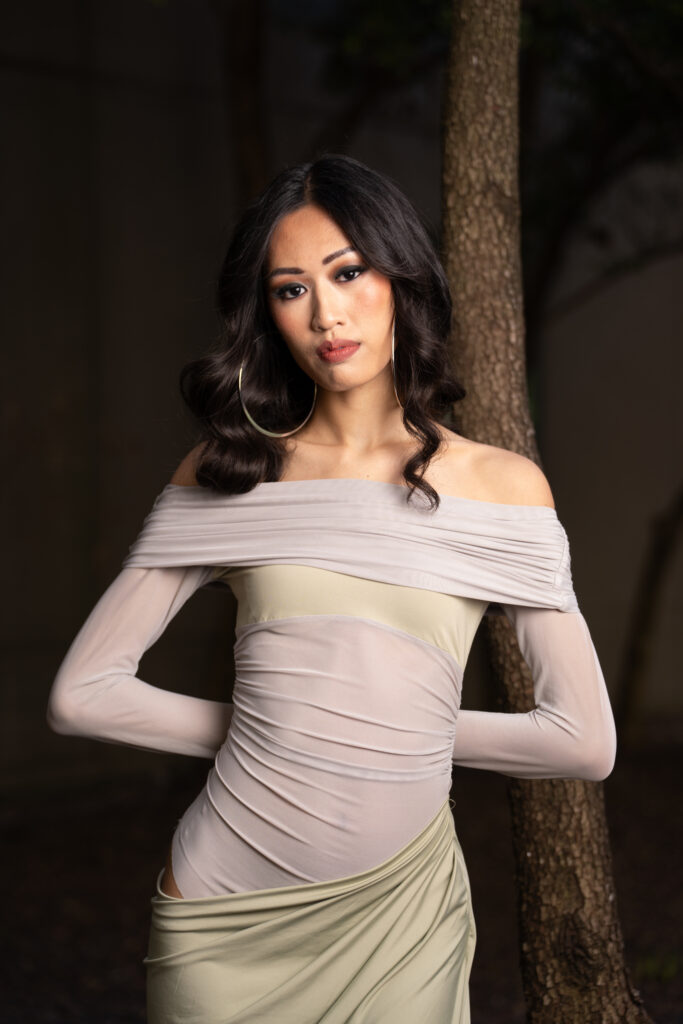
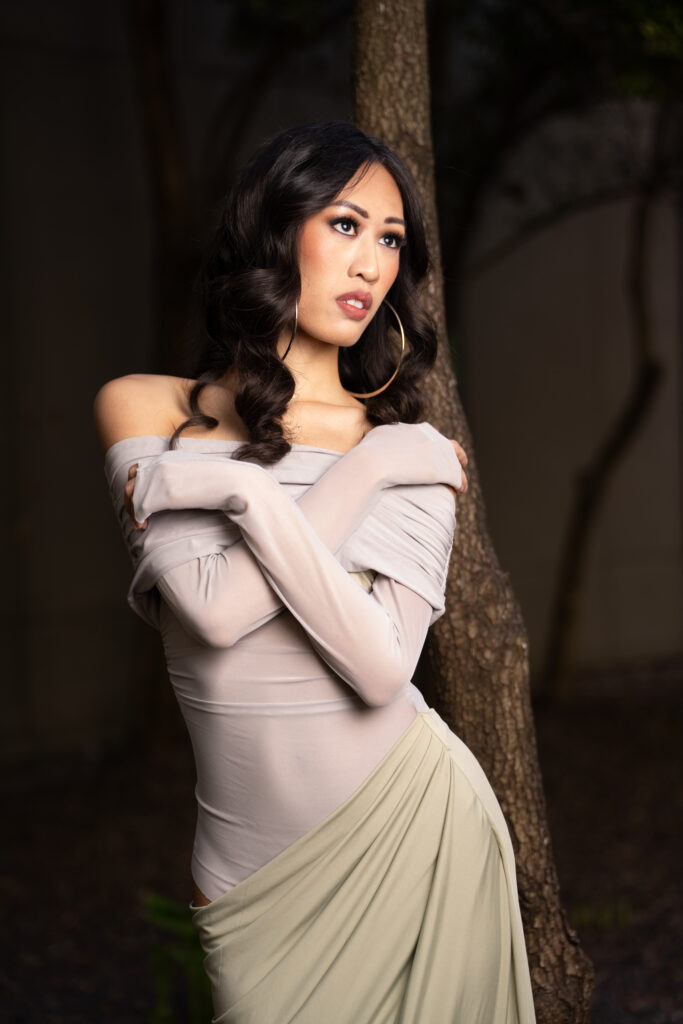
Camera shyness is a common phenomenon that can make even the most self-assured individuals feel awkward and uncomfortable. This reaction is often rooted in the unfamiliarity and perceived scrutiny of being photographed. The lens acts as an unblinking eye, amplifying the awareness of one’s own gestures, expressions, and posture. As a result, people may become overly self conscious, unsure of how to position themselves or what expression to wear, leading to stiff or unnatural images. This discomfort is further exacerbated by memories of unflattering photos in the past or teasing about appearance, which reinforce the belief that one is not photogenic or “good on camera.”
Ironically, the desire to appear relaxed and natural can increase anxiety, creating a self-fulfilling cycle where nervousness translates into awkwardness in the final image. The perceived expectation to “perform” for the camera can make individuals feel as though they are on stage, rather than simply being themselves. Overcoming camera shyness often requires shifting the mindset from one of performance to one of presence allowing oneself to exist in front of the lens without judgment or expectation. This process can be facilitated by a supportive photographer who creates an environment of trust and open communication, helping the subject to feel truly seen rather than scrutinized.
Addressing Insecurity and Unflattering Self-Image
Insecurity about appearance is one of the most pervasive fears in portrait photography, fueled by both internal self-criticism and external comparisons. Many sitters approach the camera with a running list of perceived flaws be it a crooked smile, a double chin, or uneven skin tone. These insecurities can become magnified under the scrutiny of the camera, turning what should be a celebration of individuality into a stressful ordeal. For some, the concern is not just about looking unflattering, but about failing to meet their own or others’ standards of attractiveness. This fear can be paralyzing, leading people to shy away from photos altogether or to approach the session with apprehension that shows in their expression and body language.
Breaking free from these insecurities involves both self-compassion and a reframing of what portrait photography is truly about. Rather than striving for an unattainable ideal, embracing one’s unique features can transform the portrait experience into an act of self-acceptance. Photographers play a crucial role in this process by emphasizing connection over perfection and by highlighting the genuine moments that capture a person’s spirit. When subjects focus less on achieving a flawless image and more on expressing themselves authentically, the resulting photographs are not only more compelling but also more confidence boosting. Check out what the the united nations has said as well here
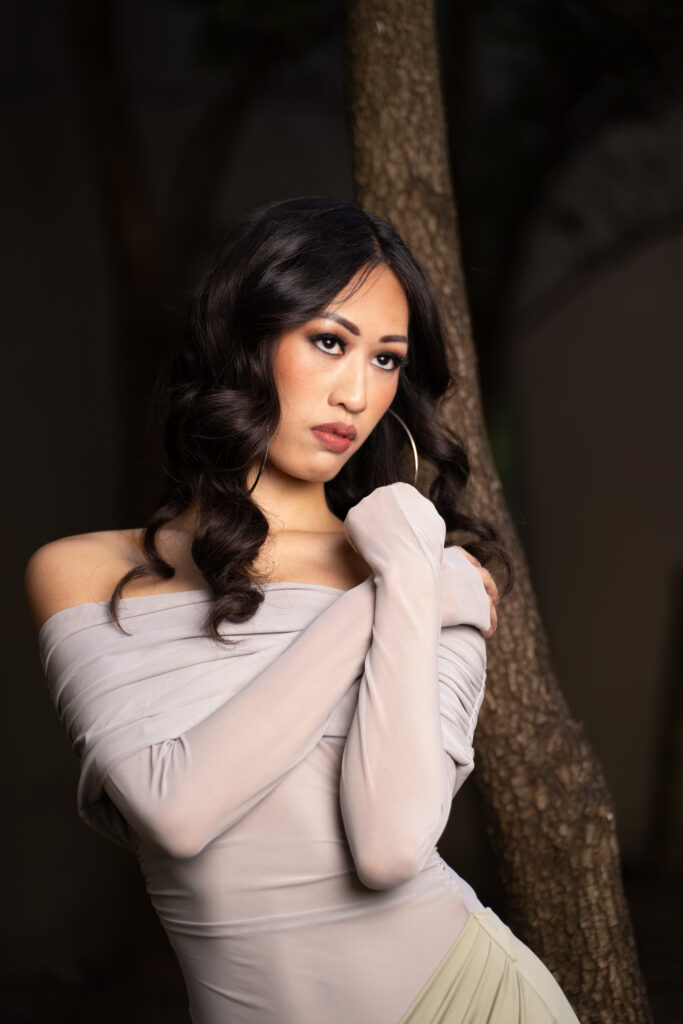
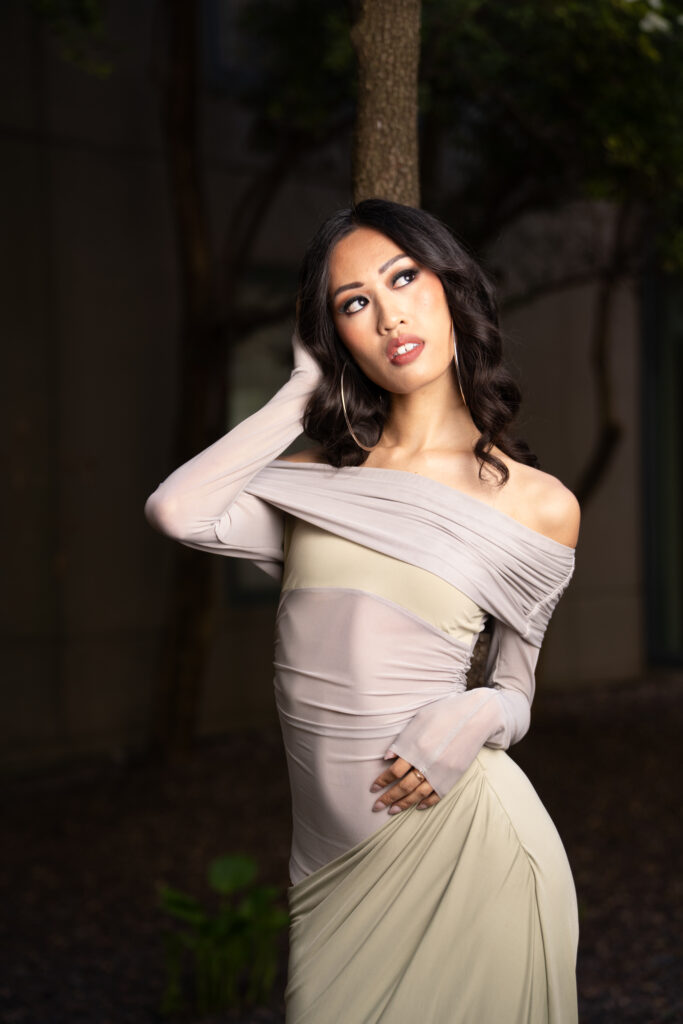
Exposure of Flaws: Managing Anxiety About Imperfections
The fear that the camera will emphasize flaws whether real or imagined is a significant obstacle for many portrait subjects. The heightened visibility of perceived imperfections such as blemishes, scars, weight, or wrinkles can trigger intense self-consciousness. This anxiety is often linked to societal pressures that equate worth with appearance, leaving individuals feeling exposed and vulnerable in front of the lens. The permanence of a photograph can make these anxieties even more acute, as people worry about how their image will be viewed and remembered by others.
Managing these anxieties begins with the understanding that everyone has features they consider less than perfect, and that these so-called “flaws” are often what make us unique. In fact, the best portraits are those that capture the full spectrum of humanity, including its idiosyncrasies and imperfections. Photographers can help ease this fear by using flattering lighting, thoughtful posing, and gentle guidance throughout the session. More importantly, fostering a non-judgmental atmosphere where subjects feel safe to be themselves can help shift focus away from flaws and towards genuine self-expression. By normalizing imperfection, both subject and photographer can collaborate to create images that are not only beautiful but also authentic.
Overcoming the Fear of Losing Control in Portraits
For many, the act of being photographed involves relinquishing control over how they are represented, which can be deeply unsettling. This loss of agency can manifest in worries about being caught at the wrong angle, being made to look unlike oneself, or having an expression that doesn’t reflect their true character. The fear of being “captured” in an unflattering light can be particularly strong for those who are used to curating their image in selfies or social media posts. Unlike these self-portraits, professional portrait sessions require trust in the photographer’s vision and skills, which is not always easy to give.
Building a collaborative relationship between subject and photographer is essential for overcoming this fear. Open communication about preferences, comfort levels, and desired outcomes can help restore a sense of agency to the sitter. When individuals feel heard and respected, they are more likely to relax and engage authentically with the camera. Photographers can further support this process by regularly showing the subject images during the shoot, inviting feedback, and making adjustments as needed. This partnership transforms the portrait session from a passive experience into a creative collaboration, empowering the subject to participate actively in shaping their own representation.
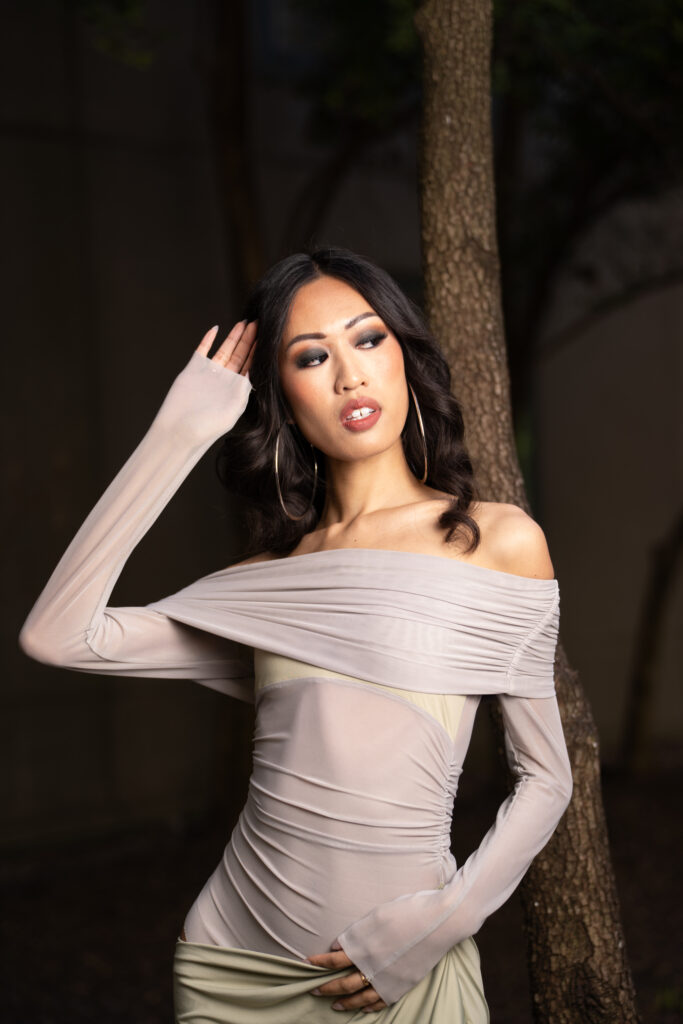
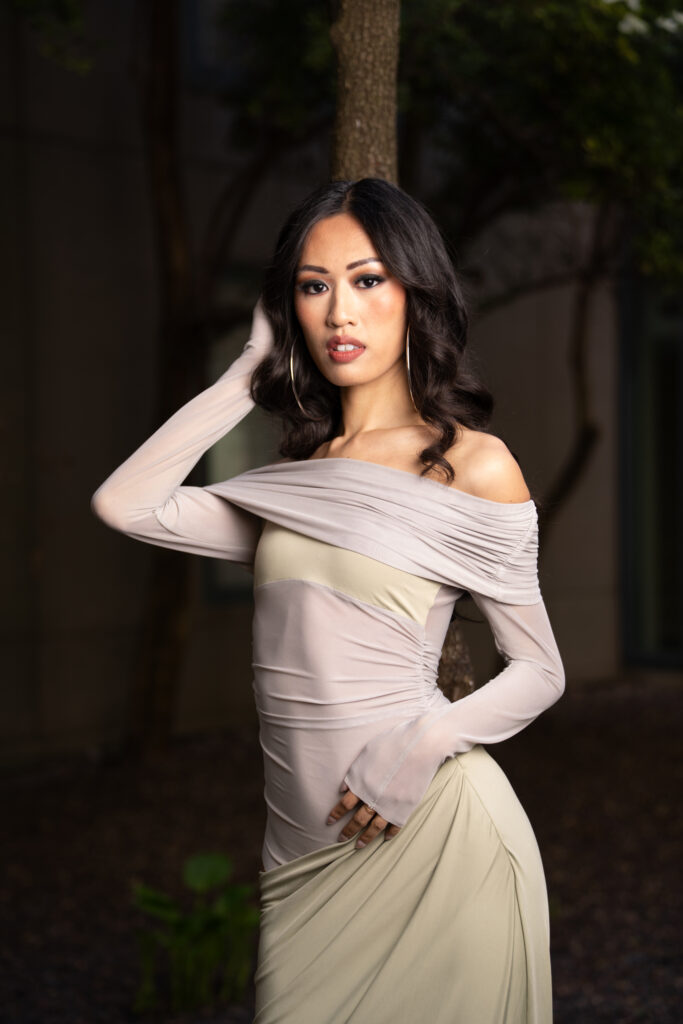
Vulnerability on Camera: Embracing Authentic Expression
One of the deepest fears in portrait photography is the sense of vulnerability that arises from being truly seen. Portraiture, especially close-up shots, can feel like an intimate encounter where every emotion, thought, and fleeting expression is exposed to the world. For many, this vulnerability is daunting, as it opens the door to judgment and criticism not just from others, but from oneself. The fear of letting down one’s guard and revealing true emotion can lead to guarded expressions or forced smiles, which ultimately diminish the power and resonance of the final image.
Paradoxically, it is this very vulnerability that makes a portrait compelling and memorable. Embracing authentic expression requires courage and a willingness to let go of the façade, even if only for a moment. Photographers can foster this openness by building trust and rapport, creating a space where subjects feel accepted and valued. Simple techniques like engaging in genuine conversation, sharing a laugh, or allowing time for relaxation can help subjects move past their initial discomfort. When sitters allow themselves to be seen as they truly are, the resulting images reflect a depth and honesty that transcend mere appearance, fostering a sense of connection both with themselves and with those who view their portraits.
Building Lasting Confidence for Every Photo Session
Confidence in front of the camera is not an innate trait but a skill that can be developed over time with patience and practice. One of the most powerful ways to build lasting confidence is through positive experiences by participating in photo sessions where the focus is on encouragement, understanding, and personal growth. Each successful session becomes a stepping stone, gradually eroding the fears that once seemed insurmountable. Subjects who see images of themselves looking natural and happy begin to reconceptualize their self-image, learning that they are not defined by fleeting insecurities or societal standards of perfection.
Practical steps such as preparing for a shoot, practicing poses in the mirror, or discussing concerns openly with a photographer can further boost self-assurance. Mindfulness techniques, such as deep breathing and grounding exercises before a session, can help calm nerves and center the mind. Ultimately, the journey to confidence is about honoring one’s own worth and uniqueness, rather than striving to fit a preconceived mold. With time, support, and self-compassion, anyone can learn to approach the camera not with fear, but with openness and joy ready to celebrate their authentic self in every portrait.
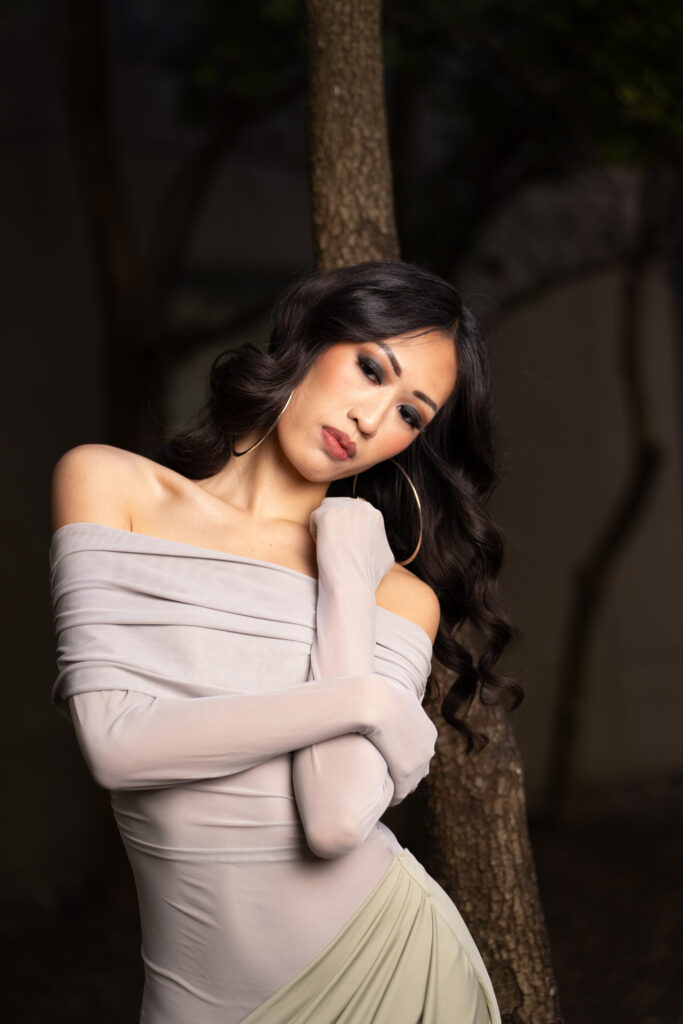
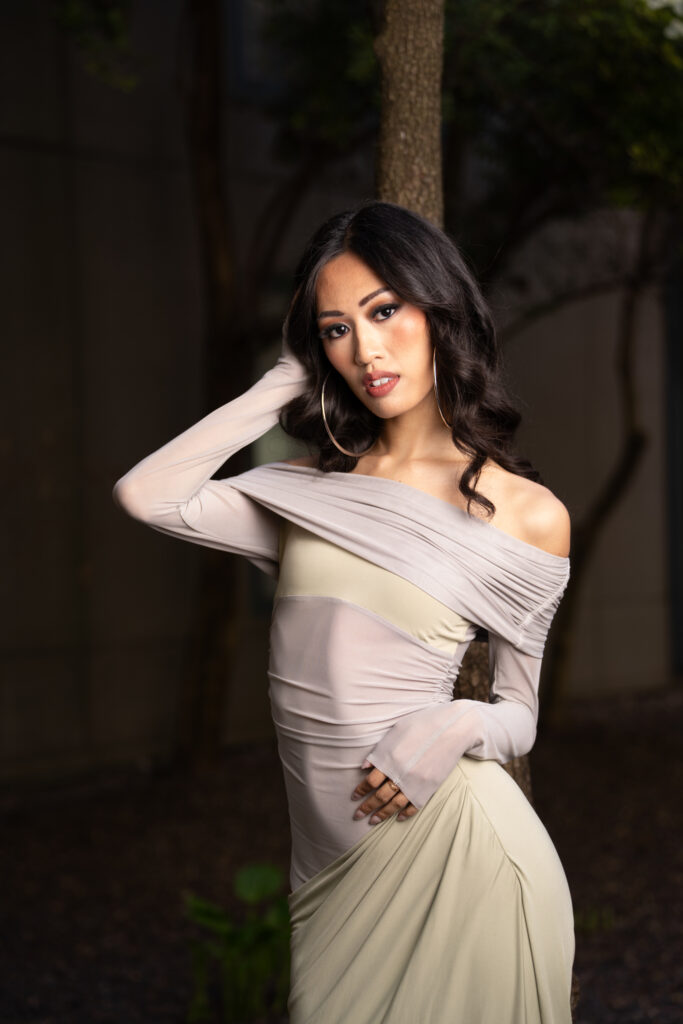
This is more than a photo session. It is a chance to step into confidence and see yourself the way others already do. Strong. Beautiful. Worth capturing. You do not need to know how to pose or what to do with your hands. I will guide you every step of the way so you can relax, feel comfortable, and actually enjoy the experience. By the end, you will not just walk away with photos. You will walk away seeing yourself differently. If you are ready to build confidence and create something real, reach out today and let’s start planning your session at https://nauticalmoments.com.


Fully guided sessions, a professional editing team behind every image, and a private reveal where you choose finished artwork for your walls. That is the difference between hiring a photographer and booking an experience.
Let’s bring your vision to life! Fill out the form below to ask any questions, share your story, or start planning your session. I’m here, ready when you are.


